

Urban Exploration, Safely: Confidence for Every Hidden Stair and Silent Hall
Chosen theme: Safety Tips for Urban Exploration. Step into forgotten spaces with clarity and care. This friendly guide blends practical know-how, real stories, and smart precautions so you can explore responsibly—and return home inspired. Subscribe and comment with your questions to keep the safety conversation alive.

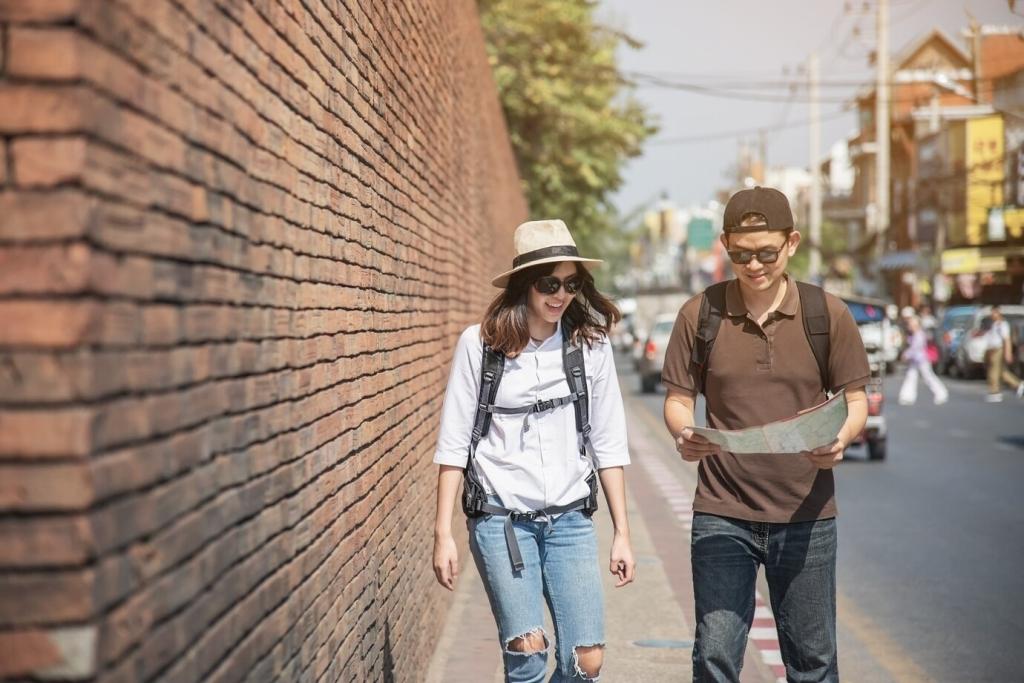
Essential Gear for Urban Exploration Safety
Carry a primary headlamp plus a backup flashlight with fresh batteries or a fully charged power bank. Avoid relying solely on a phone flashlight; it drains fast and distracts. Use a warm light for photography ambiance and a cool, brighter beam for hazard scanning and distant sightlines.
Essential Gear for Urban Exploration Safety
Wear sturdy boots with puncture-resistant soles and ankle support. Layer breathable, abrasion-resistant clothing. Gloves protect against sharp metal and glass, while eye protection shields you from dust and falling flakes. A compact helmet can make a difference under crumbling ceilings or tight, low-clearance spaces.
Structural Awareness and Hazard Recognition
01
Look for sagging lines, bulged walls, and diagonal cracks near windows or doors. Avoid load-bearing scars and areas with missing joists. Tap cautiously with a stick to gauge floor integrity. If you see daylight through floor seams or rain channels underfoot, choose a different path immediately.
02
Decaying insulation and flaking paint can release dangerous particles. Wear a properly fitted respirator when dust rises, especially in basements and boiler rooms. Avoid sealed rooms with chemical smells, and never disturb suspect materials. Fresh air breaks reduce exposure and help you notice early warning signs.
03
Treat every step as unverified. Test wooden stairs from the edge, not the center. Metal treads may be thin with rust beneath paint. Ladders can detach at the top, so pull-test gently first. Spread weight and avoid crowded landings, especially near stairwells that funnel collapse energy downward.
Navigation, Communication, and Team Protocols
Explore in pairs or trios. Assign roles—navigator, safety checker, and photographer—so responsibility is clear. Rotate roles to reduce fatigue and keep attention sharp. If separation occurs, pause and regroup at a predefined spot rather than shouting, which can attract unwanted attention or mask important sounds.

Navigation, Communication, and Team Protocols
Download offline maps and building plans when available. Mark your path with biodegradable tape or digital waypoints. Photograph intersections and unique features for reference. Remember that compasses can behave strangely near heavy steel or old machinery; verify headings by multiple cues before committing to a direction.

Leave Nothing but Footprints
Do not move artifacts, pocket finds, or peel paint for souvenirs. Disturbing interiors destabilizes already fragile structures and erases history. Pack out every scrap you bring in, including tape and batteries. Share this ethic with newcomers to protect scenes for the next careful visitor—or for nobody at all.

Photography Without Compromise
Tripods and long exposures yield beautiful detail without forcing access deeper into danger. Avoid climbing for novelty shots where flooring is uncertain. Never reveal exact locations publicly; vague references preserve safety and reduce vandalism. Ask readers to credit safety practices when sharing images to normalize caution.

Respect Communities and Workers
Neighbors, security staff, and first responders deserve consideration. Keep noise low, headlights discreet, and paths clean. If approached, be polite and leave promptly. Highlight community history rather than sensationalizing decay. Invite readers to share respectful stories in the comments to foster a culture of stewardship.
Schedule visits when natural light reduces flashlight dependency, especially in multi-story spaces. Dawn offers calmer streets and softer shadows that reveal texture. Watch for sound carry on cold mornings—noise travels farther. Comment with your favorite light windows for different building types to help fellow readers plan.
Weather, Timing, and Environmental Factors
Aftercare, Debrief, and Continuous Learning
Shake out clothing outdoors and wipe gear to remove dust and fibers. Wash up promptly and note any cuts or irritation. If you suspect exposure to hazardous materials, monitor symptoms and consult professionals. Keep respirators stored clean and dry so the next adventure starts with reliable protection.
Aftercare, Debrief, and Continuous Learning
Record what went right, what felt risky, and which assumptions broke down. Map near-miss moments honestly, without blame. These notes become your private guidebook and reduce repeat mistakes. Consider a shared team log and invite readers to submit anonymized lessons that sharpen our collective awareness.
Aftercare, Debrief, and Continuous Learning
When posting stories or photos, scrub metadata, blur sensitive details, and omit precise coordinates. Celebrate safety choices as much as aesthetics. Encourage newcomers to read this safety guide first. Subscribe for future deep dives, and drop your best practical tips below so we all grow more careful together.